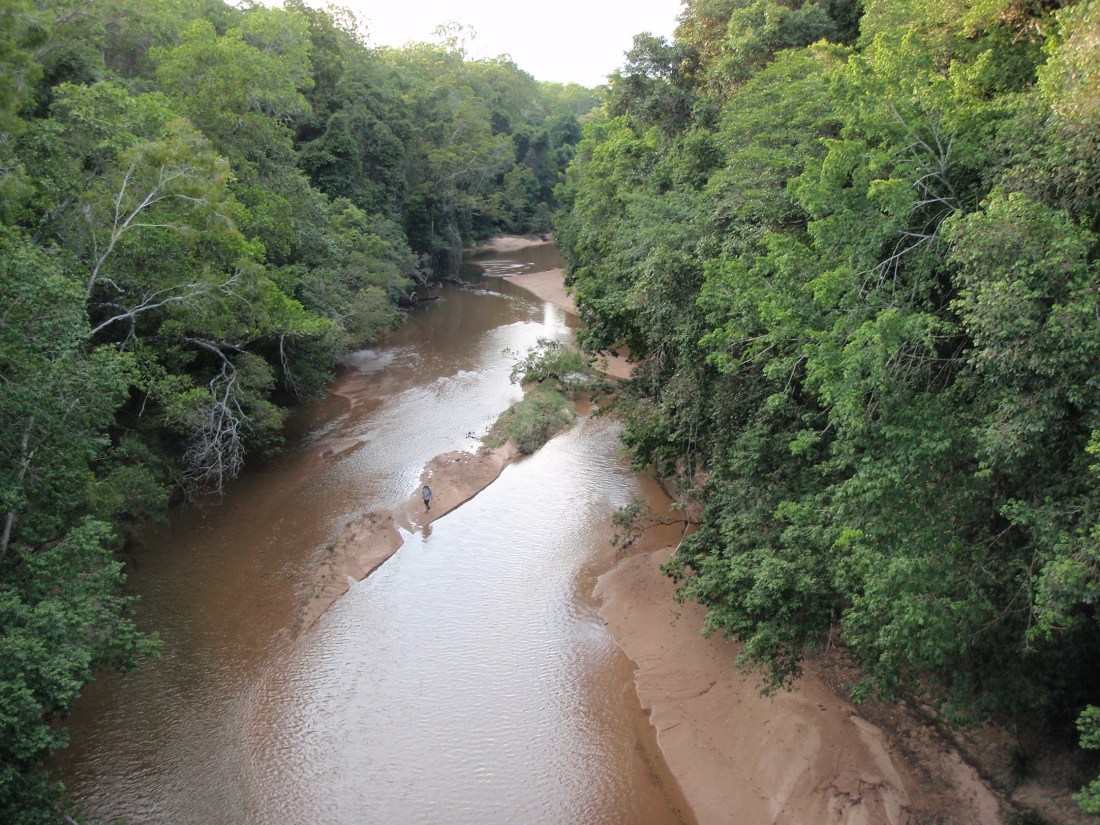
I once could not imagine that someone human could not respond somehow, at some time or another, to the natural world. Impossible, I would have said. No matter how entrenched in the urban one was, how enmeshed by the artificial, surely the whir of a bird’s wings, the flash of a butterfly’s colour, the shape … Continue reading Figment of imagination
Category: nature
Are we locked in a dance to the death (economically anyway) with fossil fuels
factors other than the purely economic must be taken into account. The problem with our purely economic thinking is that it is tainted with neoliberalist assumptions about worth. Humans, certainly all the ones in the first world, have been programmed to accept the notion that economic growth, most particularly at the personal level, is essential. To challenge this paradigm is to adopt the denialist annoying Greta Thunberg ‘how dare you’ stance. But in fact what we do need to do - if you factor anything other than pure Homo economicus thinking - is to do away with stuff. Perhaps take a significant dip in our GDP rich life. Give up some goods, some cargo, some economic cudos. Will we be poorer for it? Will our health go into decline? Will our world become much smaller? Perhaps we’ll travel less, the carbon load of flying is prohibitive. But will we be poorer? Will our air and waterways be cleaner? Will some of the wilderness be restored? Will we rediscover community? I don’t know, but I don’t think we can continue with business as usual. Because business isn’t (despite what they tell us) everything. We can choose to remain fossil fooled or we can choose not to be.
Letter to our first grandchild…
Corporations run governments. That seems to be a truth pretty much universal. Corporations determine policies; the chief democratic will of most nations at present is one which does not want to divest itself of the making of profits and greenhouse gases. Our economies are well oiled. Coal seamed. Denial of our climate emergency is a well-funded industry.
On Nature deficit disorder
Relph (2011) argues that 'the deepest sense of place seems to be associated with being at home, being somewhere you know and are known by others, where you are familiar with the landscape and daily routines and feel responsible for how well your place works[1].' I cannot claim to be responsible for how this place … Continue reading On Nature deficit disorder
A deep sense of place
Extracts from an essay Let me pose a simple yet stubborn question of what you need to imagine are your last days. Suppose that Death — which nearly had you — has let go for a time; a remission which gives you, let's say, a week's grace. Maybe two. You are spry and full of … Continue reading A deep sense of place